
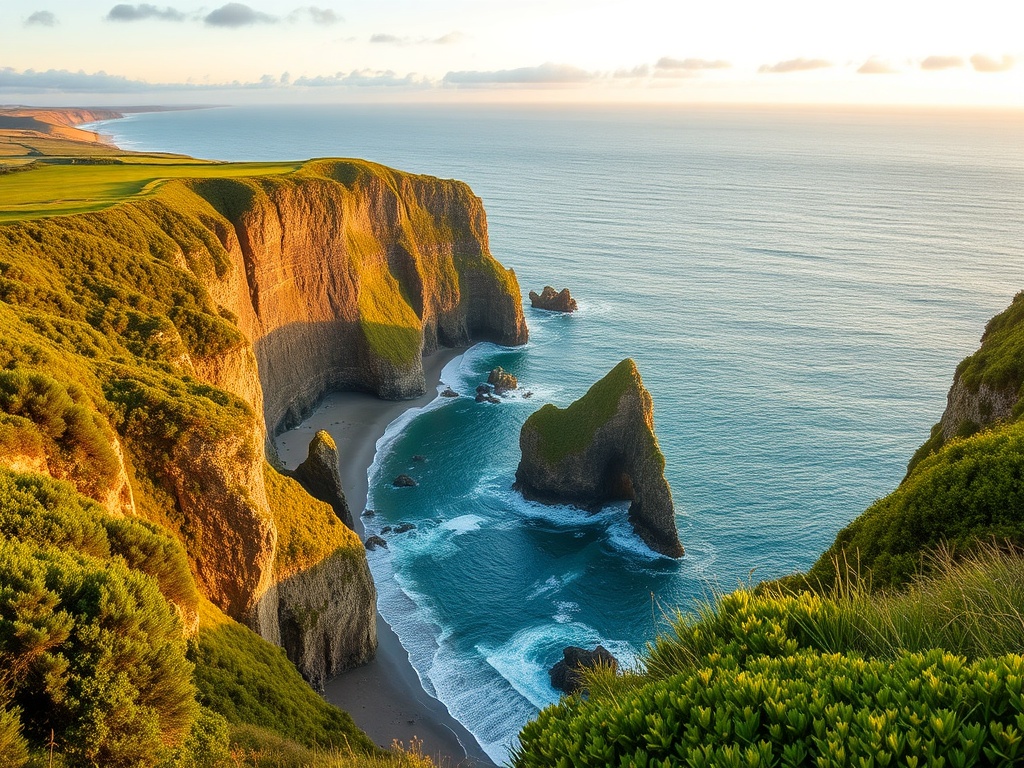
Things to See in Pontevedra — Complete Guide 2026
Things to See in Pontevedra — Complete Guide 2026
Welcome. If you’re planning a trip to Galicia’s most walkable city, this friendly local guide will show you around Pontevedra like a neighbor. In 2026 the city remains one of Spain’s best examples of people-centered urban planning: the historic center is almost entirely pedestrian, the river and parks invite slow exploration, and the food is unmistakably Galician. Below you’ll find the top 15 attractions, practical tips, where to eat, the best neighborhoods to stay in, how to reach Pontevedra, and useful local advice to make your visit smooth and memorable.
Quick Facts
| Region | Galicia, northwest Spain |
| Language | Spanish and Galician (Galego); you’ll do fine with Spanish or English in tourist spots |
| Currency | Euro (€) |
| Best time to visit | Late spring to early autumn (May–September) for warm weather; shoulder seasons offer fewer crowds |
| Nearest major airports | Santiago de Compostela (SCQ) ~45–60 min by car; Vigo (VGO) ~30–40 min |
| Train & bus | Pontevedra train station on regional lines; excellent intercity bus connections |
| Tourist Office | Central office in the old town—good for maps, events, and bus passes |
Top 15 Attractions
1. Pedestrian Old Town (Casco Vello)
The heart of Pontevedra is its pedestrianized old town. Narrow stone streets, lively plazas, and centuries-old buildings are free from car traffic, which creates an intimate atmosphere perfect for wandering. From morning coffee to late-night tapas, the casco vello is where locals meet and where you’ll feel the city’s rhythm. Don’t rush—turn down side alleys, peek into courtyards, and follow the sound of a church bell or a street musician.
- Why go: Authentic strolling, photogenic corners, cafes, and artisanal shops.
- Tip: Early morning light makes for excellent photos and quieter streets.
2. Basilica of Santa María (Basílica de Santa María la Mayor)
This splendid basilica sits on one of the old town’s higher points and combines Gothic and Manueline styles. The church’s façade, portals, and interior details are worth close inspection. For many visitors, the basilica is not only architecturally impressive but also a calming cultural stop that puts Pontevedra’s medieval past into context.
¿Buscas alojamiento en Galicia?
Compara precios en hoteles, casas rurales y apartamentos
Ver en Expedia →- Why go: Architectural detail, history, and a peaceful interior.
- Tip: Check service times—occasional concerts and events take place here.
3. Plaza de la Leña
One of the most charming small squares in the old town, Plaza de la Leña was historically where firewood was sold. Today it’s a cozy meeting place lined with bars and restaurants. The square keeps its medieval scale, making it an ideal stop for a vermouth, a cold beer, or a plate of oysters on a summer afternoon.
- Why go: Lively dining scene and excellent people-watching.
- Tip: Nighttime atmosphere is especially pleasant in summer; book a table for dinner during peak season.
4. Island of Sculptures (Isla das Esculturas)
Set on the Lérez River, this public art park features contemporary sculptures integrated with nature and water. It’s a short distance from the city center and offers a calm contrast to the stone streets—a spot for a picnic, a relaxed walk, and contemplative viewing of modern art in an outdoor setting.
- Why go: Art in nature, family-friendly walks, great for slow afternoons.
- Tip: Bring comfortable shoes and a camera; light and reflections make the sculptures photogenic.
5. Rías Baixas (Day Trips and Coastline)
Pontevedra is an excellent base to explore the Rías Baixas coast: estuaries, beaches, seafood villages, and the famous Albariño wine region. Towns like Cambados, O Grove, and A Toxa are within easy reach for day trips. The Rías Baixas are all about sea flavors, coastal scenery, and small coastal ports where local fishermen bring in the catch of the day.
- Why go: Beaches, seafood, vineyards, and coastal culture.
- Tip: If you love wine, add a winery visit and a tasting of Albariño to your itinerary.
6. Church of the Pilgrim Virgin (Iglesia da Virxe Peregrina)
This quirky, shell-shaped pilgrim church is an important stop for people walking the Portuguese Way of the Camino de Santiago. Its unusual circular plan and decorative façade make it instantly recognizable; it also embodies Pontevedra’s connection to pilgrimage routes and maritime traditions.
- Why go: Unique architecture and religious heritage.
- Tip: The plaza around the church is a pleasant place to relax and watch pilgrims pass through.
7. Museum of Pontevedra (Museo de Pontevedra)
The museum is spread across several historic buildings and holds an excellent collection of Galician art, archaeology, ethnography, and religious objects. It’s a compact, well-presented museum that gives a strong sense of local history and culture without being overwhelming.
- Why go: Insight into Galicia’s art and past; free/low-cost entry options often available.
- Tip: Allow at least an hour to explore the highlights; check for temporary exhibitions.
8. Pontevedra City Hall and Alameda
The elegant city hall and the adjacent Alameda park are central to civic life. The Alameda is perfect for a shaded stroll, and from here you can enjoy views toward the river. Look out for local events and open-air concerts, especially during the summer festival season.
- Why go: City atmosphere, green space, occasional cultural events.
- Tip: Bring a book or stop at a café bordering the park for a relaxed afternoon.
9. Pontevedra’s Bridges and the Lérez River Walk
The river and its bridges link neighborhoods and offer picturesque views. Walk along the Lérez’s promenades to see the city from a different angle—fishermen, small boats, and riverside parks create a very local vibe. The bridges themselves are often photogenic at sunset.
- Why go: Scenic strolls, river views, and tranquil photography spots.
- Tip: Sunset on the river is particularly beautiful—consider a riverside café afterward.
10. Sarmiento and Noble Pazo Houses
Pontevedra preserves several historic palaces (pazos) and noble homes that showcase Galician stone architecture and carved coats of arms. These buildings are scattered through the old town and are lovely to admire as you walk—some host cultural events or museums.
- Why go: Architectural detail and glimpses of noble life in historic Galicia.
- Tip: Look for ornate doorways and stone balconies—many are near main squares.
11. Mercado de Abastos (Food Market)
The market is a lively, authentic place to experience local produce, fish, and daily life. Stalls brim with seafood from the Rías, seasonal vegetables, cheeses, and cured meats. It’s a great stop for breakfast, a casual lunch of tapas, or to buy supplies for a picnic.
- Why go: Fresh seafood, local products, and a social atmosphere.
- Tip: Go in the morning for the best selection and to see vendors at work.
12. Plaza de la Herrería and Convent of San Francisco
This large plaza is a meeting point framed by cafés, the Convent of San Francisco, and the remains of medieval buildings. The convent’s cloister and church elements are architecturally interesting and add atmosphere to one of the city’s main public spaces.
- Why go: Central hub for dining, events, and historical sights.
- Tip: Try afternoon coffee in the plaza and linger to enjoy the people-watching.
13. Pontevedra’s Contemporary Architecture and Urban Design
Pontevedra is often studied for its urban planning: wide pedestrian streets, plazas designed for people, and sensitive renovation of old buildings. As you walk, notice how modern interventions blend with the historic fabric—benches, lighting, and signage all contribute to a pleasant city experience.
- Why go: For design-minded travelers and those who appreciate livable cities.
- Tip: Take a slow walking tour with a focus on streetscape and public space design.
14. Coastal Lookouts and Small Beaches Nearby
Short drives or bus trips take you to quiet beaches and rocky coves along the Rías Baixas. These are perfect for a day of sun, a seafood lunch by the water, or a coastal walk. Galician beaches are often less crowded than those on other Spanish coasts, especially outside high summer.
- Why go: Relaxation, swimming, and coastal scenery.
- Tip: Check tides and local conditions; bring layers as sea breezes can be cool.
15. Festivals and Seasonal Events
Pontevedra hosts local festivals, music events, and gastronomic fairs throughout the year. Visiting during a festival is an excellent way to meet locals and enjoy regional music, dance, and food. Ask at the tourist office about events during your stay.
- Why go: Cultural immersion and lively local atmosphere.
- Tip: Book accommodation early if you’re coming for a major festival weekend.
Local Food and Where to Eat
Pontevedra is a food lover’s destination—Galician cuisine is built on excellent seafood, seasonal produce, and simple, well-executed dishes. Eating here is a highlight of any visit.
Signature Dishes to Try
- Seafood: Mussels, razor clams, cockles, Galician-style octopus (pulpo a la gallega), and local fish grilled or in stews.
- Albariño wine: The white wine of Rías Baixas pairs perfectly with shellfish.
- Tapas and raciones: Small plates served in bars—try several in one sitting.
- Empanada Gallega: Savory pie with fish, meat, or vegetable fillings.
- Queso Tetilla and local cheeses: Mild, creamy cheeses typical of the region.
- Octopus: Pulpo a feira—boiled, seasoned with paprika, olive oil, and salt—often a must.
Where to Eat
From market stalls to seafood restaurants and modern tapas bars, you’ll find options for every budget.
- Mercado de Abastos stalls: Great for fresh bites and casual tasting.
- Old town tapas bars: Ideal for an evening of hopping from bar to bar.
- Seafront restaurants (nearby Rías towns): For the freshest catch and scenic dining.
- Contemporary restaurants: A small but growing scene of chefs reinterpreting Galician ingredients.
Best Neighborhoods to Stay
Pontevedra’s compact size means you don’t need to stay far from the action, but different neighborhoods offer slightly different experiences.
Old Town (Casco Vello)
Best for first-time visitors who want to be in the center of things. You’ll be within short walking distance of plazas, bars, museums, and churches. Expect cobbled streets and lively evenings.
Near the Lérez River
Offers quieter, scenic walks and easy access to riverside parks and the Island of Sculptures. Good for families and visitors who prefer a calmer environment but still want to be close to the center.
City Outskirts and Modern Districts
These areas can offer more affordable hotels, straightforward parking, and proximity to bus routes. They’re practical if you have a car or plan to explore the wider Rías Baixas region.
How to Get There
Getting to Pontevedra is straightforward by air, train, bus, or car. Below are your main options and practical pointers for each.
| By Air | Fly into Vigo or Santiago de Compostela airports. Vigo is closest (about 30–40 minutes by car). From the airports you can rent a car, take an airport shuttle, or use a combination of train and bus. |
| By Train | Pontevedra is on regional rail lines. Trains connect to larger hubs like Vigo, Santiago, and A Coruña. The train station is a short walk or bus ride from the old town. |
| By Bus | Excellent intercity buses run to and from Pontevedra, connecting Santiago, Vigo, Ourense, and Madrid. Buses are often frequent and comfortable. |
| By Car | Driving gives you flexibility for exploring the Rías Baixas. Roads are generally good; parking in the historic center is limited, though there are parking garages and peripheral parking areas with short walks to the center. |
| From Porto (Portugal) | Regular buses and a longer train route connect Porto to Pontevedra; it’s a doable cross-border day trip or multi-day itinerary addition. |
Practical Tips — Local Advice for a Smooth Visit
Getting Around
Pontevedra is famously walkable. Most visitors will enjoy exploring the old town and nearby attractions on foot. Public buses link neighborhoods and nearby towns; taxis are available but aren’t necessary for short distances.
Language
Spanish and Galician are spoken. In most tourist-facing places you’ll find staff who speak English; learning a few Spanish phrases (or Galician greetings) is appreciated and opens doors.
Money and Payments
Cards are widely accepted, but small shops, market stalls, and rural establishments may prefer cash. ATMs are common in the city center. Tipping is modest—a few euros or rounding up the bill is typical for good service.
Safety
Pontevedra is generally safe: standard travel precautions are enough. Keep an eye on personal items in busy plazas and on market days.
Weather and What to Pack
Galicia has an Atlantic climate—mild and often changeable. Pack layers, a light waterproof jacket, and comfortable walking shoes. Sunscreen and a hat are advisable in summer, while spring and autumn evenings can be cool.
When to Visit
Late spring through early autumn is ideal for warm weather and outdoor dining. If you prefer fewer crowds and lower prices, visit in April–May or September–October. Festivals in summer add vibrancy, but book early if you want to stay in the old town during event weekends.
Accessibility
While the city has made many improvements, the historic cobbles and steps can be challenging for some mobility needs. Some museums and public buildings have accessibility features—ask in advance if you require specific accommodations.
Day Trip Ideas
- Cambados: Albariño wine and historic architecture.
- O Grove and A Toxa: Beaches, seafood, and spas.
- Combarro: A postcard-perfect fishing village known for hórreos (stone granaries).
Respect Local Rhythm
Galicia has a relaxed pace. Meals, especially dinner, can start later than in other countries. Embrace the slow rhythm—savoring food and conversation is part of the experience.
Suggested 2-Day Itinerary
Short on time? Here’s a compact plan to help you experience the best of Pontevedra in a weekend.
- Day 1: Morning—explore the pedestrian old town and Plaza de la Leña; midday—lunch at Mercado de Abastos; afternoon—visit the Basilica of Santa María and Museum of Pontevedra; evening—tapas crawl in the old town.
- Day 2: Morning—walk the Lérez riverside and Island of Sculptures; midday—drive or take a bus to a nearby Rías Baixas town for seafood and beach time; late afternoon—return for sunset by the river and an easy dinner.
Final Notes from a Local
Pontevedra is the kind of place that rewards slow travel. Stay curious, step off the main streets, and talk to shop owners and servers—people here are proud of their city and happy to share recommendations. Whether you come for architecture, gastronomy, nature, or simply a city where walking is a pleasure, Pontevedra delivers a warm, human-scaled travel experience that feels both authentic and comfortably modern. Enjoy the streets, the sea air, and a plate of perfectly cooked pulpo—see you in Pontevedra!
¿Listo para tu viaje a Galicia?
Ahorra hasta un 25% en ExpediaCancelación flexible · Paga en el hotel · Programa de recompensas

Deje aquí su comentario