
Things to See in A Coruña — Complete Guide 2026
Things to See in A Coruña — Complete Guide 2026
Welcome! I’m a local guide and I’ve put together this friendly, detailed 2026 guide to A Coruña — the lively Galician port city where ocean vistas, ancient stones and superb seafood meet a relaxed, modern vibe. Below you’ll find the top 15 attractions to prioritize, a quick facts table, neighborhood recommendations, food you must try, how to get here, and practical tips to make your visit smooth and unforgettable. Read on for local insights and sensible pacing so you can enjoy the city like a Coruñés.
Quick facts
| Item | Info |
|---|---|
| Region | Galicia, northwest Spain |
| Airport | A Coruña (LCG) — ~10–15 min to the city by taxi; good links from Santiago (SCQ) |
| Language | Spanish and Galician (Gallego). Spanish works everywhere; a few Galician phrases are appreciated. |
| Currency | Euro (€) |
| Emergency | 112 (EU emergency number) |
| Best time to visit | Late spring to early autumn (May–September). Shoulder seasons (May–June, Sept) combine mild weather and fewer crowds. |
Top 15 attractions (what to see and why)
1. Tower of Hercules (Torre de Hércules) — UNESCO World Heritage
The Tower of Hercules is the star attraction: a Roman lighthouse still in use and a UNESCO World Heritage Site. Perched on a headland, the tower offers dramatic Atlantic panoramas, especially at sunrise or sunset. The visitor center explains centuries of maritime history, and the climb to the viewing platform rewards you with sweeping views of the coastline and the city. It’s a must — iconic and easy to pair with a seaside walk.
2. Paseo Marítimo — the 13 km seaside promenade
A Coruña’s Paseo Marítimo is one of the city’s defining features: a long seaside walkway that follows the coast for roughly 13 kilometers, connecting beaches, parks and viewpoints. Stroll or cycle sections to feel the Atlantic breeze, spot modern sculptures and admire the city’s distinctive glazed balconies from the water’s edge. Locals jog here, families picnic, and the route is perfect for sampling multiple seafront neighborhoods in one go.
Planifica tu escapada a Galicia
Ahorra un 25% o más en tu alojamiento con las mejores ofertas
Ver en Expedia →
3. Riazor Beach
Riazor is the main urban beach: broad, sandy and close to shops, cafés and the city center. It’s popular for sunbathing, sea swims (in summer), and watching surfers on choppy days. The promenade adjacent to Riazor is lined with cafés and terraces where you can savor a coffee while watching the tide. In high season, Riazor has a lively, social atmosphere but still retains a relaxed Galician feel.
4. Orzán Beach
Just to the east of Riazor, Orzán is slightly smaller but equally popular with locals. The two beaches form a continuous stretch with a friendly urban vibe. Orzán tends to be a touch quieter and is a great base for early morning runs or an evening walk when beachgoers have thinned out.
5. Plaza de María Pita (Town Square)
The elegant Plaza de María Pita sits in the heart of the city, named after the local heroine María Pita. The ornate Ayuntamiento (city hall) faces the square with a soaring clock tower and grand balconies. This plaza is the social center — cafés, seasonal markets, concerts and civic events all take place here. It’s also a practical orientation point for walking tours through the nearby streets.
6. Aquarium Finisterrae and the Museo do Mar
Tucked near the seafront, the Aquarium Finisterrae and the Museo do Mar (Museum of the Sea) are ideal for families and anyone curious about Atlantic marine life. The aquarium focuses on local species and the museum explores Galicia’s deep maritime culture — fishing, shipbuilding and the relationship between people and sea. The rooftop overlooks the ocean — a quiet place to reflect after the exhibits.
7. Monte San Pedro
Monte San Pedro is the city’s top panoramic park. A short funicular or a winding road takes you up to a series of terraces with 360° views over A Coruña, the tower, the harbor and the rolling Atlantic. It’s a fantastic spot for photography, a picnic or simply watching container ships and fishing boats pass below. The park also features WWII-era bunkers, landscaped gardens and cafes.
8. Domus (Casa del Hombre)
Domus, designed by Arata Isozaki, is an interactive science museum dedicated to human biology and behavior. It’s hands-on and accessible — a fun educational stop regardless of age. The building’s architecture is interesting, and the exhibits are well-presented in English and Spanish. Combine Domus with a walk in the nearby parks.
9. Castillo de San Antón
Sitting on a small island off the port, the 16th-century Castillo de San Antón is connected by a short causeway and houses the Archaeological Museum. The fort’s ramparts provide a unique vantage point over the harbor and the city, and the museum contains artifacts detailing Galicia’s long history. It’s atmospheric and compact — an enjoyable historical stop.
10. Museo de Belas Artes da Coruña (Fine Arts Museum)
Art lovers should visit the Museo de Belas Artes, which houses a fine collection of Galician and Spanish art spanning medieval to modern works. The museum is set in an attractive building and is large enough to be substantial but small enough to see comfortably in a morning or afternoon. It’s a quieter cultural counterpoint to the bustling seafront.
11. Casa de las Ciencias (House of Sciences)
Located near green spaces, Casa de las Ciencias is a small science museum that’s especially good for families with children. Exhibits cover natural history, astronomy and interactive displays. It’s a friendly, accessible place to learn a little about the region’s natural environment and scientific curiosities.
12. Ciudad Vieja (Old Town) and Iglesia de Santiago
The compact Old Town is a rewarding maze of narrow streets, medieval corners and little squares. Wander to discover artisan shops, tapas bars and historic churches like the Iglesia de Santiago. Spend time exploring the alleys to find hidden bars and local bakeries. The Old Town comes alive at night with a convivial tapas-and-wine culture.
13. Mercado de la Plaza de Lugo (Central Market)
Markets are living culture in Galicia. The Mercado de la Plaza de Lugo is where you’ll find fresh fish, shellfish, cheeses and local produce. Wander the stalls to sample samples or buy picnic provisions. Above the market or nearby you’ll often find small taverns turning today’s catch into instant tapas.
14. The Galerías (glass-fronted balconies)
One of A Coruña’s visual trademarks is the Galicia-style glass balconies (galerías) that line many historic facades, especially along the seafront. These enclosed balconies were designed to trap light and protect against the Atlantic weather. Take a leisurely walk and notice the variety of styles and the way the city’s light plays off the glass at different times of day.
15. Jardines and small parks (Méndez Núñez garden, Plaza de Azcárraga)
Amid the urban energy, A Coruña has attractive pockets of green: Méndez Núñez garden with its monuments and palm trees, and other small plazas where locals relax over coffee. These greenspaces are perfect for a quiet break between museum visits and seaside walks.
Local food and where to eat like a local
A Coruña is a seafood lover’s paradise with strong ties to the Atlantic. Here are local dishes and tips for enjoying them:
- Pulpo a la gallega (pulpo a feira) — Octopus boiled to tender perfection, seasoned with smoked paprika, olive oil and coarse salt. Try it at a tasca or market stall.
- Percebes (gooseneck barnacles) — A prized and pricey local delicacy harvested from wild rocks. Simple preparation, intense ocean flavor. Try at a good marisquería.
- Empanada gallega — Large, savory pies filled with tuna, cod, meat or vegetables. Great for a picnic or a quick lunch.
- Caldeirada — Traditional Galician fish stew with potatoes and onions, hearty and warming.
- Tarta de Santiago — Almond cake dusted with powdered sugar; a classic Galician dessert.
- Lacón con grelos — A traditional winter dish (ham shoulder with turnip greens and potatoes) worth trying if your visit falls in the cooler months.
- Seafood platters — Order a mixed mariscada to share with prawns, clams, scallops and more.
- Drinks — Pair seafood with a crisp Albariño or a Ribeiro; locals also love Estrella Galicia beer.
Where to go: For casual tapas, look for bustling bars in the Old Town and around María Pita Square. For seafood feasts, seek out reputable marisquerías near the port or Mercado de la Plaza de Lugo. If you want a more contemporary tasting experience, A Coruña has several high-quality restaurants blending Galician tradition with modern techniques.
Best neighborhoods to stay and explore
- Ciudad Vieja (Old Town) — Ideal for first-time visitors who want nightlife, tapas bars and historic charm within walking distance of main sights.
- Ensanche / City Center — The commercial heart with shops, eateries, and easy transport links. Great for convenience and comfort.
- Riazor & Orzán seafront — Perfect for beach lovers who want morning swims and scenic promenade walks; family-friendly hotels and apartments.
- Monte Alto — A bohemian area with street art, local cafés and a more residential feel; good for travelers who want to live like a local and enjoy views.
- La Marina / Port area — Close to the water and seafood restaurants; practical for short stays where sea views matter.
How to get to A Coruña
By plane
A Coruña Airport (LCG) has domestic flights and seasonal European connections. It’s a short taxi ride to the city center. If flights to A Coruña are limited, you can fly to Santiago de Compostela (SCQ, about 45–60 minutes by road) or to Porto (OPO, about 2.5–3 hours by car), and continue by bus, train or rental car.
By train
RENFE connects A Coruña with major Spanish cities. The main station is centrally located; high-speed and regional services (Alvia/Intercity) run from Madrid, Vigo and Santiago. Trains are comfortable and scenic.
By bus
Long-distance buses (ALSA and other companies) link A Coruña to Madrid, Porto, Bilbao and many Galician towns. The bus station is conveniently sited and buses are typically economical.
By car
Driving gives flexibility to explore the wider Galician coast. A Coruña is on the AP-9 corridor, well signed and easy to reach from Santiago, Vigo or the Portuguese border. Parking can be limited in central neighborhoods, so check your accommodation’s parking options.
From nearby airports
From Santiago de Compostela airport: regular buses and private transfers link the two cities. From Porto, consider a longer scenic drive or an overnight stop en route.
Practical tips for visiting (local advice)
- Weather & clothing — The Atlantic climate is mild but changeable. Even in summer, bring a light waterproof jacket and layers. Windproof clothing and comfortable walking shoes are essential for the promenade and cliffs.
- Best time to visit — Late spring (May–June) and early autumn (September) offer pleasant weather, fewer tourists and good seafood availability. July–August is the busiest and warmest.
- Language — Spanish is widely spoken. A little Galician (Olá, Gracias = Moitas grazas) is appreciated. English is common in tourist venues but less so in smaller, family-run places.
- Cash & cards — Cards are accepted almost everywhere; carry small change for markets and small cafés. ATMs are easy to find.
- Tipping — Not obligatory. Rounding up or leaving 5–10% for exceptional service is appreciated.
- Opening hours — Many shops and businesses close for a lunch siesta (roughly 2–4 pm) and reopen in the evening, though tourist spots and restaurants often remain open. Museums usually have morning and late-afternoon slots.
- Safety — A Coruña is generally safe. Use usual precautions with personal items, especially in crowded nightlife areas.
- Public transport — The city has a reliable bus network and taxis are easy to hail. Consider walking — central A Coruña is compact and very walkable.
- Day trips — Use A Coruña as a base for exploring the Galicia coast, Santiago de Compostela, Ferrol and the Rías Altas.
- Respect the sea — The Atlantic can be deceptively strong. Swim at lifeguarded sections and heed local warnings and flags.
Sample 2-day and 4-day itineraries
2-day weekend (highlights)
- Day 1: Morning at the Tower of Hercules and headland trails; lunch near the port; afternoon walk along the Paseo Marítimo to Riazor; evening tapas in the Old Town and drinks at María Pita Square.
- Day 2: Visit Aquarium / Museo do Mar, then Domus or Casa de las Ciencias; lunch at the Mercado de la Plaza de Lugo; afternoon climb or funicular to Monte San Pedro for sunset views.
4-day relaxed stay (deeper experience)
- Day 1: Arrive and settle into your neighborhood; gentle stroll to Riazor/Orzán and dinner in the Old Town.
- Day 2: Full morning at the Tower of Hercules and coastal paths; afternoon at Castillo de San Antón and nearby cafés.
- Day 3: Museums day (Museo de Belas Artes + Domus + Casa de las Ciencias); tapas crawl at night.
- Day 4: Market visit, slow breakfast, last seaside walk; optional afternoon trip to nearby towns or beaches before departure.
Local customs and useful phrases
- Hola — Hello
- Gracias / Moitas grazas — Thank you (Spanish / Galician)
- Por favor — Please
- Una mesa para dos, por favor — A table for two, please
- ¿Dónde está…? — Where is…?
Locals are friendly and appreciate simple courtesies. Dining tends to be later than in northern Europe — dinners often start around 9 pm.
Final local tips — making the most of A Coruña
Take time to step off the beaten path: the best memories often come from wandering a quiet lane in the Old Town, sampling a tiny tavern’s pulpo, or sitting on a bench at Monte San Pedro watching the Atlantic work its moods. Pace yourself — seafood and wine are best enjoyed without rushing. Use the promenade for easy navigation; it connects many of the main sights and shows you why this city is defined by its relationship to the sea.
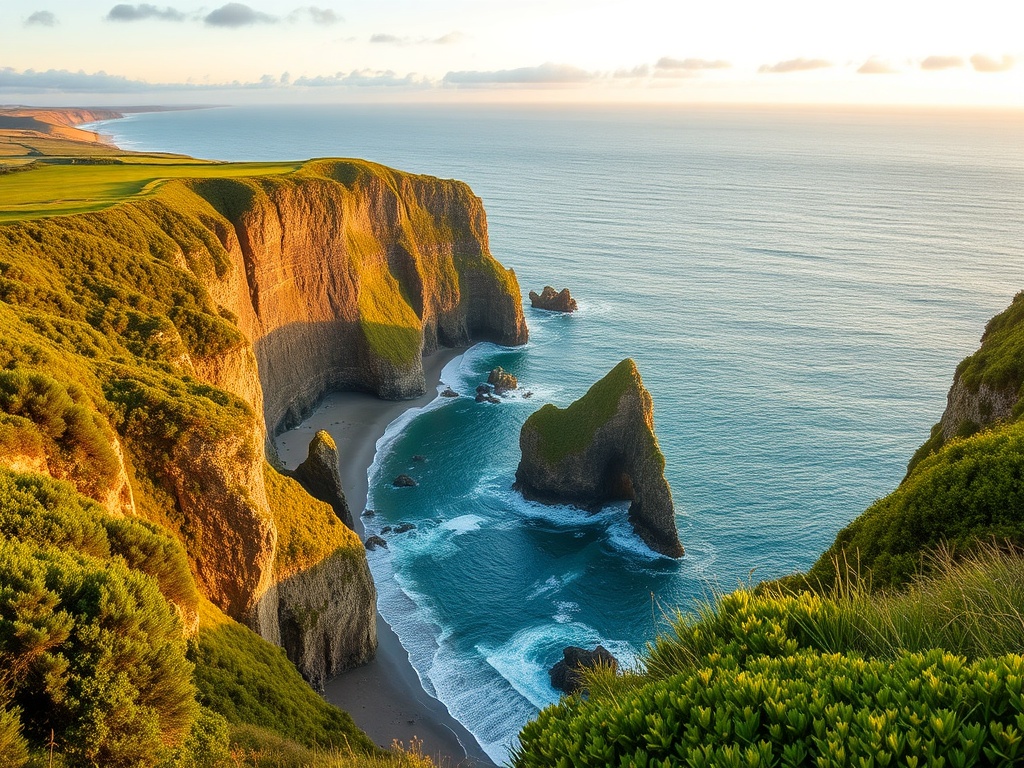
If you have extra time, explore the rugged coastline north and south — small fishing villages, secluded coves and dramatic cliffs reveal more of Galicia’s wild beauty. Whether you’re here for a weekend or a week, A Coruña offers a generous mix of history, culture and pure Atlantic atmosphere. Welcome — enjoy the city as we do here: relaxed, curious and with a fork ready for the next bite of seafood!
¿Listo para tu viaje a Galicia?
Ahorra hasta un 25% en ExpediaCancelación flexible · Paga en el hotel · Programa de recompensas
Deje aquí su comentario